How to Start a Food
Truck Business in LA
Launching a mobile food concept in Los Angeles County is one of the most exciting entrepreneurial journeys you can take. With an incredibly diverse culinary audience and sunny weather year-round, the structural demand for gourmet food trucks is unmatched. However, navigating the intersection of vehicle compliance, local code, operational logistics, and marketing can feel overwhelming for first-time operators. Here is exactly what you need to know to hit the ground running.
1. Finalize Your Concept and Menu Layout
Before you turn a single wrench or buy a piece of commercial equipment, your menu must be set in stone. Your food configuration completely determines your layout blueprint, which directly dictates your fire safety systems, ventilation requirements, and cold storage capacity. Keep your menu streamlined; high-volume speed is the lifeblood of street vending and event catering alike.
2. Plan-Check and Health Department Approvals
To operate legally anywhere in Los Angeles County, your vehicle must obtain an active health permit from the LA County Department of Public Health. This begins with standard plan check submissions. You will need multi-view architectural blueprints detailing plumbing lines, mechanical configurations, NSF-certified equipment placements, and wall finishes. Skipping proper plan checks to buy a cheap out-of-state build often results in costly retrofitting delays to pass local rules.
Pro Tip: Los Angeles mandates that all mobile food units operate in conjunction with an approved commercial commissary kitchen. You cannot legally prepare food or store your vehicle at a private residence.
3. Secure Your Mobile Asset: Renting vs. Buying
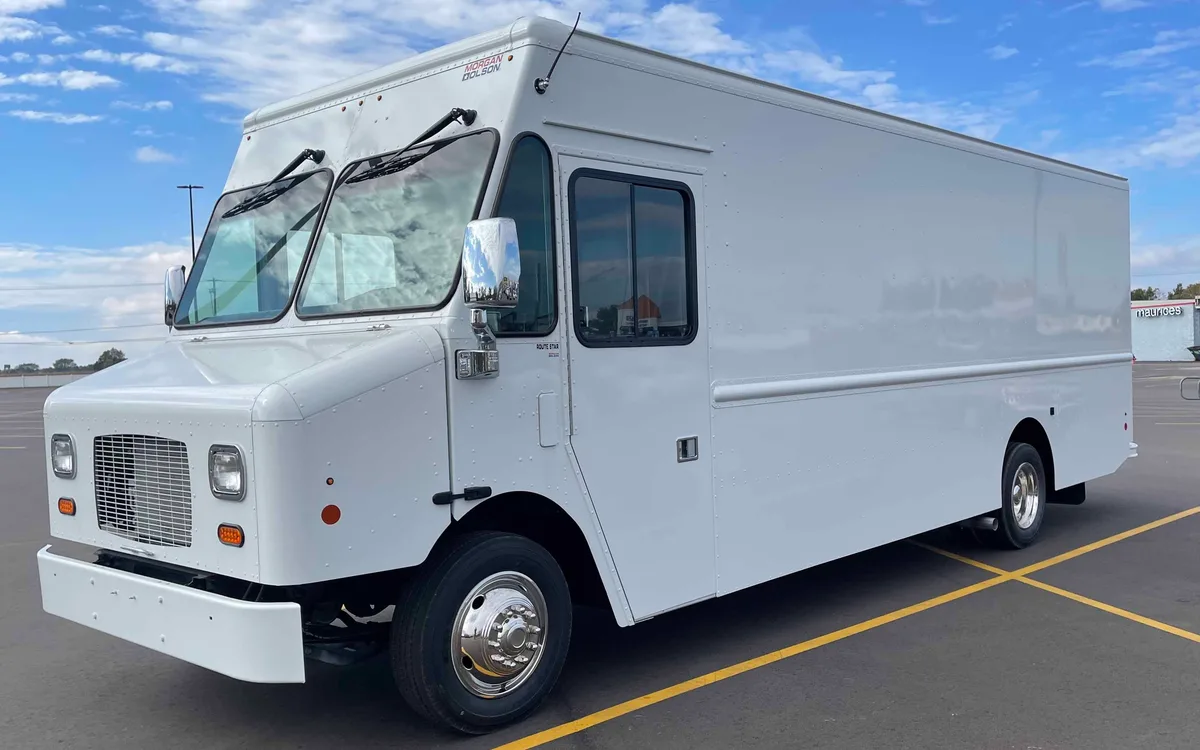
For first-time business owners, minimizing upfront capital liability is vital. Building a custom truck from scratch can cost anywhere from $100,000 to over $180,000 and take months to pass structural clearance. Entering a long-term rental contract lets you launch your concept immediately with an asset that features pre-approved, certified framing. This preserves your hard cash reserves for inventory, payroll, and early-stage marketing campaigns.
4. Mapping Your High-Traffic Routing Strategy
A flawless menu means nothing without consistent, legally secured foot traffic. Successful LA operators rely on a strategic mix of revenue channels:
- Corporate Lunch Hubs: Setting up regular rotations outside high-rise complexes in areas like Westside or Century City.
- Local Night Markets: Capitalizing on popular neighborhood gatherings and curated street food markets in East LA.
- Studio & Production Catering: Partnering with production crews across Hollywood and boutique studio backlots for guaranteed daily service volumes.
5. Building Your Digital Brand Profile
Because your location shifts dynamically, visibility depends entirely on maintaining precise digital touchpoints. Keep your profile updated on Instagram, TikTok, and Google Maps every single morning. Let your followers know exactly where your truck will park, what time the window opens, and what daily special features are on the board.
Next Steps
Ready to bring your mobile food concept to the streets of LA? Skip the massive upfront vehicle construction costs and permit headaches. Contact our engineering and consulting team today to explore our pre-permitted fleet rentals and professional blueprint layout services.